
Short answer: Pavers can be cleaned without a pressure washer using a stiff broom, plain water, and a labeled outdoor cleaner left to dwell before you rinse it off. It takes more elbow grease than a surface cleaner does, and it won't get as deep into the paver texture or the joints, but it works fine for routine dirt and light mildew between professional cleanings.
Sweep and pull weeds first
Clear off loose debris and pull any weeds growing up through the joints before you add water. Wet debris turns into a paste that's harder to remove and can grind into the paver surface as you scrub.
Check the joint sand while you're at it. If it's washed out or badly overgrown with weeds, that's a sign the pavers are due for a deeper clean and re-sanding, not just a surface scrub.
Water, soap, and a scrub brush
For everyday dirt, a garden hose and a stiff-bristled broom or deck brush handle a surprising amount of the work. Scrub in the direction of the joints so you're not forcing water and grime down into the sand.
For mildew and light algae, a labeled outdoor cleaner applied with a pump sprayer, left to sit per the label, then scrubbed and rinsed, gets closer to what a soft wash does without any pressure equipment at all. Test a small hidden area first.
Where DIY hits a limit
Pavers have a rougher texture than poured concrete, and grime works its way down into that texture and into the joints between them in a way a broom alone can't always reach. A surface cleaner, the flat rotating attachment used on driveways and patios, spreads real pressure evenly and gets into those low spots without leaving stripes.
Black mold that's set into the joints or a paver surface that hasn't been touched in a couple of years usually needs more than hand scrubbing to actually come clean rather than just look a little better.
What happens after a real clean
A deep clean, whether DIY or professional, washes some of the joint sand out along with the grime. Pavers need that sand replaced afterward to stay stable and to keep weeds from finding a foothold again.
Sealing after cleaning and re-sanding is what actually slows staining and weed growth down going forward. Puma reseals pavers every 2 to 3 years as part of keeping that protection current.
Protecting what's around the pavers
Whatever cleaner you use, keep it off grass and plants at the edge of the paved area, or wet those areas down first and rinse them after, the same way a professional visit handles runoff.
If your pavers sit right next to a pool, keep any cleaner away from the water and follow the label's guidance on pool-adjacent use.
In Volusia County
Puma's price list for cleaning, re-sanding, and sealing pavers works out to $2.25 per square foot with a $499 minimum. Volusia County property records cover 235,236 homes, and 56% were built before 1990 so plenty of the county's paver patios and pool decks have had years to collect weeds and staining in the joints.
Questions people ask
Is a pressure washer better than scrubbing by hand?
For routine upkeep, hand scrubbing works fine. For a deep clean, especially with mold in the joints or years of buildup, a surface cleaner reaches deeper into the paver texture than a broom can.
Do I need to re-sand after cleaning pavers myself?
Yes, if the joint sand looks washed out or low. Re-sanding keeps the pavers stable and helps block weeds from coming back through the gaps.
Can I use the same cleaner on pavers as on my driveway?
Many labeled outdoor cleaners work on both, but always check the product's label for paver-specific guidance, since some paver finishes and colors can react differently than plain concrete.
How often should pavers be cleaned?
Puma's professional cleaning and resealing schedule for pavers is every 2 to 3 years, though a quick sweep and hose-down in between keeps light dirt from building up.
Keep reading
Your pavers
is next.
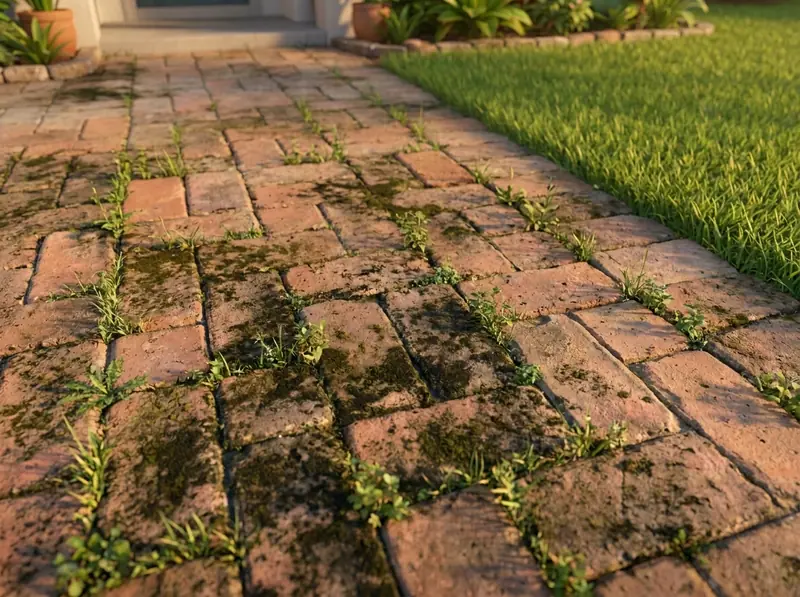
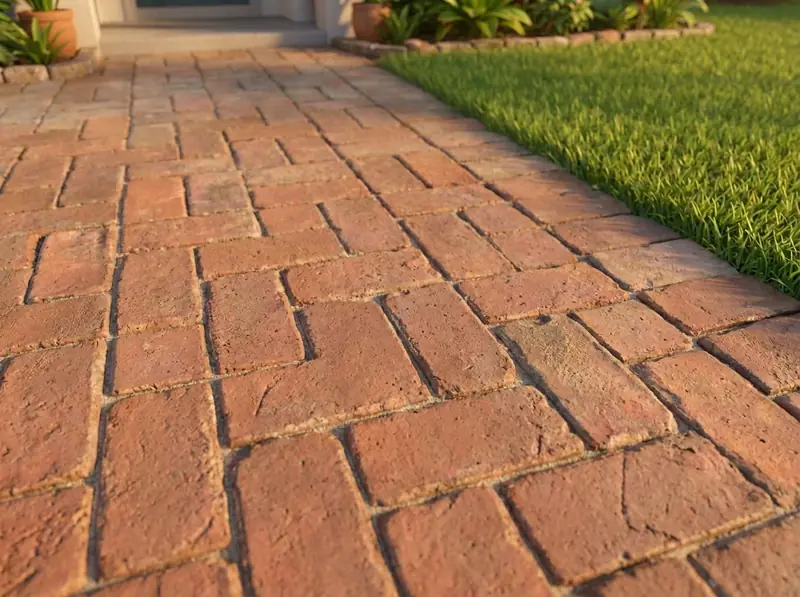 BeforeAfter
Drag to compare. Illustration; your crew sends real before-and-after photos of your own home.
See my price →