
Short answer: Paver sealing is a protective coating applied to pavers after they are cleaned and the joints are re-sanded, and it locks that sand in place, repels water, and helps protect the color and surface from Florida sun and rain. It is not a one-time fix, since the coating wears down over time and needs to be reapplied on a schedule. Puma cleans, re-sands the joints, and seals pavers together in one visit, and that combination gets redone every 2 to 3 years.
What the sealer actually does
Once pavers are sealed, water beads on the surface instead of soaking in, which cuts down on the algae and mold that grow in damp, porous spots. The sealer also locks the sand between the joints in place, so it does not wash out in heavy rain or get pushed around by foot traffic.
A sealed surface is also easier to clean going forward, since dirt and stains sit on top of the coating rather than working into the paver itself.
Why cleaning and re-sanding come first
Sealing over dirt, algae, or loose joint sand just traps the problem underneath a fresh coat, so the pavers get cleaned and the joints re-sanded before the sealer goes on. Skipping that step is why a seal job can look fine at first and then show the old problem again once the sealer wears.
That is why Puma's paver service bundles all three steps, cleaning, re-sanding, and sealing, into one visit rather than treating sealing as a separate add-on.
What a clean-and-seal visit looks like
A clean-and-seal visit runs in a fixed order. First the pavers are cleaned of dirt, algae and stains. Then the joints are re-sanded, so the sand is back in place before the coat goes on. Last comes the sealer, applied over a clean, dry surface. All three steps happen in one visit, so there is no second trip to schedule.
You do not need to be home. You book a day, pay a 25% deposit by card, and get before-and-after photos when the job is done. The rest is charged 24 hours later unless you say something is off, and then it is a free re-clean.
Types of sealer, in general terms
Sealers generally fall into a wet look, which adds shine and deepens the color, and a natural or matte finish, which protects without changing the look much. They also come in water-based and solvent-based versions, which behave differently during application and curing.
Which type fits a given driveway or patio depends on the paver material and the look you want, and any specific product should be used exactly as its own label directs.
Puma says: Which type fits a given driveway or patio depends on the paver material and the look you want, and any specific product should be used exactly as its own label directs.
People often ask which sealer is best for Florida. There is no single best one for every paver. What matters is matching the finish and the type to your pavers and following that product's label. Sun and salt air are why a regular reseal schedule matters more than the brand name on the can.
What Florida weather does to it
Sun, rain, and for coastal homes, salt air, all wear down a sealer's protection over time, which is normal rather than a sign anything was done wrong. That wear is exactly why sealing is not a one-time job, and why a set resealing schedule keeps the protection working instead of waiting for it to visibly fail.
How long a specific product holds up before it needs attention depends on the label and the weather it faces, so there is no single number that applies to every driveway or patio.
How it is priced
Puma's paver service, covering the clean, the re-sand, and the seal in one visit, is priced at $2.25 per square foot with a $499 minimum. A small patio lands on the minimum, and a larger driveway is priced by its size. Your exact price comes from your address, and the price you book is the price you pay.
Staying on the 2 to 3 year schedule tends to mean less buildup to clean each time, since the sealer has been doing its job in between visits.
In Volusia County
Volusia County property records show 56% of homes were built before 1990. A lot of that generation of paver patios and driveways have been through at least one sealing cycle by now. Puma's paver service runs $2.25 per square foot with a $499 minimum.
Questions people ask
How much does it cost to clean and seal pavers?
Puma prices the clean, re-sand and seal visit at $2.25 per square foot with a $499 minimum. Your exact price comes from your address.
Do all pavers need to be sealed?
Sealing is optional, but it protects the color, keeps joint sand in place, and makes future cleaning easier, which is why most paver owners choose to do it.
How soon after cleaning can pavers be sealed?
They need to be clean and fully dry first. The exact wait depends on the weather and the sealer's own label instructions.
What happens if pavers are never resealed?
The joint sand can wash out over time and the surface loses the water resistance a sealer provides, which tends to mean more algae growth and staining between cleanings.
Keep reading
Your pavers
is next.
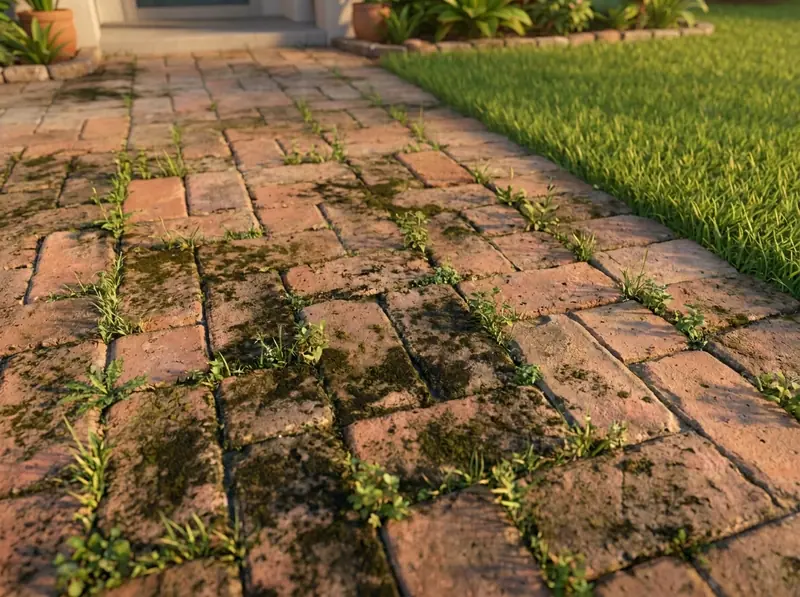
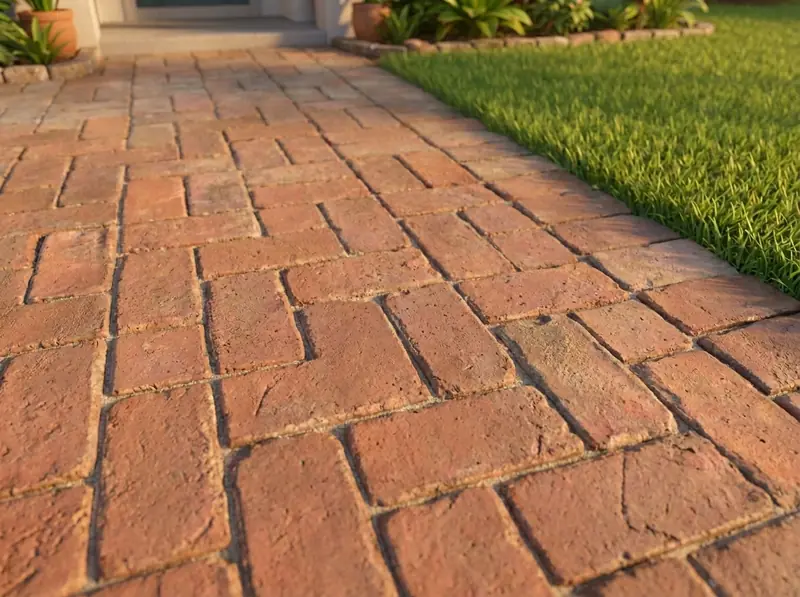 BeforeAfter
Drag to compare. Illustration; your crew sends real before-and-after photos of your own home.
See my price →