
Short answer: Cleaning pavers yourself is doable if you're careful with pressure near the joints, though it takes more patience than a plain concrete slab. Sealing is where hiring a pro pays off more, since an uneven coat, wrong product for the surface, or bad timing around rain is far harder to fix after the fact than to get right the first time.
Why pavers are trickier to DIY than plain concrete
A rental pressure washer aimed too close or too long at paver joints can blast out the sand that holds them level, which isn't a mistake you'd make on a solid slab. Working around that takes more attention than most first-timers expect going in.
It also takes longer than expected the first time through, since a careful pass near every joint is slower than sweeping a wand across open concrete. What looks like a weekend project on paper can stretch into two if the patio is large or heavily stained.
The joint sand and weed problem
Getting weeds and grime out of the joints without stripping the sand underneath is a balance that takes some practice. It's the single biggest difference between cleaning pavers and cleaning a driveway, and it's easy to overcorrect in one direction or the other.
Sealing is a different skill entirely
Sealant has to go on evenly, in the right amount, on a properly clean and dry surface, and then cure without rain interrupting it. Too much product pools and looks patchy; too little wears off fast and wastes the effort. It's a step where experience really shows.
What a pro checks before starting
A professional visit accounts for the paver type, joint condition and existing sealant, if any, before choosing pressure and product. That's the kind of judgment that's hard to build from a single weekend project, and it's why the first-stripe check exists: you see the result before the rest is billed.
Weighing it out
If it's just a light clean on a small walkway, DIY is reasonable. For a full patio or pool deck, especially if sealing is part of the plan, hiring it out tends to save both the pavers and your weekend.
How the price compares to a weekend of DIY
A professional visit is priced from your address before booking, so there's a firm number to weigh against a rental fee and a weekend's worth of careful, joint-by-joint work. For a small area the two options can land close together; for a full patio or pool deck, the time saved usually tips the scale.
In Volusia County
Puma's price list puts a typical paver patio clean at $149: 30 cents per square foot with a $149 minimum. Volusia County property records show 56% of homes in the county were built before 1990. That's old enough that many original paver installs have had years of joints and finish to wear on.
Questions people ask
What's the biggest DIY mistake with pavers?
Stripping out joint sand with too much pressure held too close in one spot. It's the most common way a DIY paver clean goes wrong.
Can I seal pavers myself if I hire someone to clean them?
You can, though the sealant needs the surface fully dry first, and an uneven DIY coat can be harder to correct later than getting it applied evenly the first time.
Is hiring a pro worth it for a small area?
For a small walkway, DIY cleaning is often reasonable. Sealing is where professional application tends to matter more, regardless of the size of the area.
What does a pro bring that a rental machine doesn't?
Experience judging pressure and pattern near the joints, plus equipment built for even sealant coverage, both of which are harder to match on a first attempt.
Keep reading
Your pavers
is next.
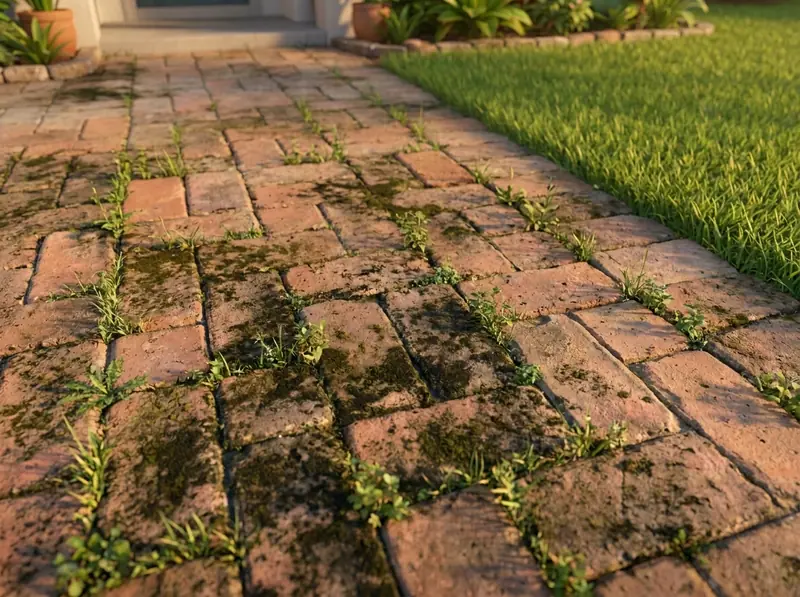
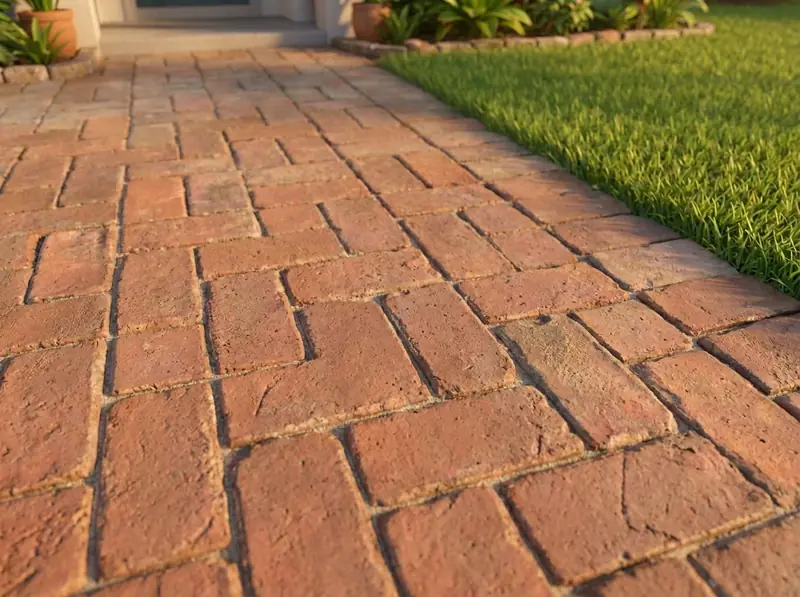 BeforeAfter
Drag to compare. Illustration; your crew sends real before-and-after photos of your own home.
See my price →