

Short answer: Drying and curing time for paver sealer depends on the specific product and the weather, so the honest answer is to follow that product's label rather than a fixed number. How long it lasts depends on the type of sealer and how much sun, rain, and foot or car traffic the pavers see, which is why a reseal every 2 to 3 years beats waiting for it to visibly wear off.
Why there's no single drying time
Sealer manufacturers set their own dry and cure times based on their specific formula, and those times shift with temperature and humidity. Florida's heat can speed surface drying while its humidity slows full curing underneath, so two products applied on the same day in the same yard can behave differently.
The label on whatever product is used is the only reliable source for how long to stay off the surface and how long before it's fully cured, since that's tested for that specific formula.
Wet look versus natural finish
A wet look sealer leaves a glossy sheen and tends to darken the paver color, while a natural or matte finish sealer keeps the pavers looking closer to how they looked dry. Both protect the surface; the difference is mostly appearance.
Some homeowners prefer the wet look for a pool deck's contrast against the water, while others prefer the matte look on a driveway or front walk so it doesn't look freshly done forever.
Water-based versus solvent-based
Water-based sealers generally have milder fumes and are easier to work with, while solvent-based sealers tend to penetrate deeper and can hold up longer in some conditions. Each type has its own dry time and application steps on its label, and neither is a universal best choice.
Whichever type is used, the pavers need to be fully clean and dry before sealing, since sealer applied over trapped moisture or leftover grime won't bond properly.
What actually shortens how long it lasts
Direct Florida sun breaks down sealer over time through UV exposure, rain and sprinkler water wear at it, and salt air near the coast adds another layer of wear on top of that. A shaded backyard patio and a sun-baked pool deck won't hold their seal for the same length of time even with the identical product.
Heavy foot traffic, pets, and parked cars all add physical wear on top of the weather, which is part of why a pool deck or a driveway tends to need attention sooner than a rarely used side patio.
Puma's schedule
Rather than waiting for a sealer to visibly fail, Puma cleans, re-sands, and reseals pavers every 2 to 3 years. That schedule is built around typical Florida sun, rain, and traffic rather than any single product's stated lifespan.
Sticking to a set schedule also means the joints get re-sanded before weeds have had years to take hold, which is a bigger factor in how a paver surface looks over time than the sealer alone.
In Volusia County
Puma's price list for cleaning, re-sanding, and sealing pavers is $2.25 per square foot with a $499 minimum, on a schedule of every 2 to 3 years. Volusia County property records cover 235,236 homes, many sitting close enough to the coast for salt air to add extra wear on top of ordinary Florida sun and rain.
Questions people ask
Can I walk on freshly sealed pavers right away?
Follow the product's label for how long to stay off the surface. Times vary by formula and by weather, so there's no single answer that applies to every sealer.
Does a wet look sealer last longer than a matte one?
Not necessarily. Longevity depends more on the formula, water-based versus solvent-based, and the sun and traffic the pavers see than on whether the finish is glossy or matte.
Why does my sealer look patchy?
Sealer applied over pavers that weren't fully clean or fully dry underneath often cures unevenly, which is why cleaning and drying come before sealing rather than at the same time.
Do I need to reseal on a schedule or wait until it looks worn?
Puma reseals every 2 to 3 years on a set schedule so the joints get re-sanded and protected before staining and weeds set in, rather than waiting for visible wear.
Keep reading
Your pavers
is next.
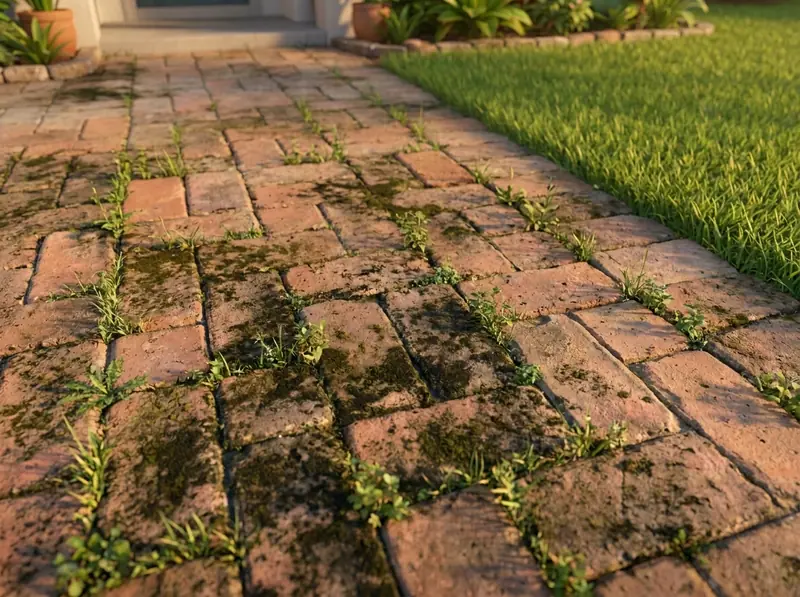
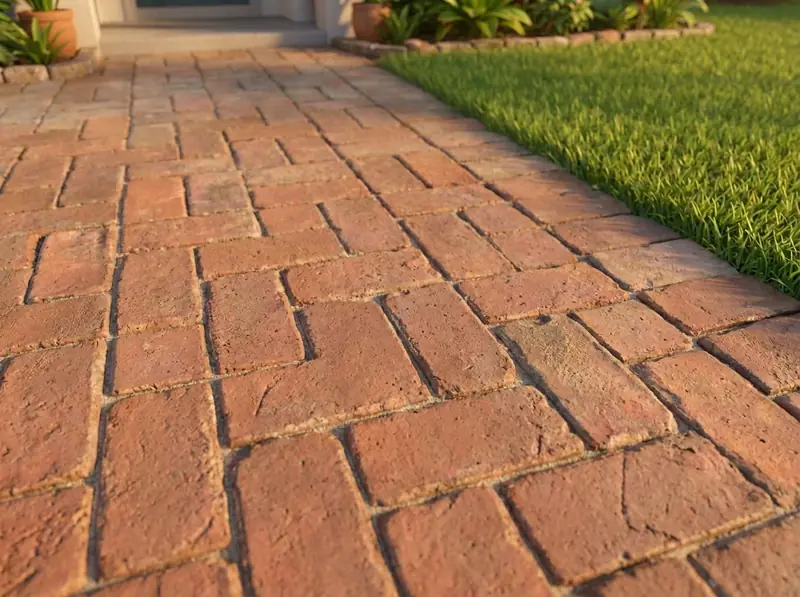 BeforeAfter
Drag to compare. Illustration; your crew sends real before-and-after photos of your own home.
See my price →