

Short answer: The black and gray-green patches on your driveway are almost always mildew and algae, feeding on moisture, pollen and shade. Rust-colored streaks are a separate problem, usually from iron in irrigation well water hitting the concrete in the same spot over and over.
Mildew and algae are the usual suspects
Any spot on the driveway that stays damp longer, near a shaded tree line, a low corner, or where sprinkler overspray hits, is where mildew and algae take hold first. They spread across the surface and darken it over time, which is what most people mean when they say their driveway looks black or moldy, even though it's not the kind of mold that grows indoors.
Rust tells a different story
Reddish-brown streaks that trace back to a sprinkler head are usually iron staining from well water, not mold at all. It's a mineral deposit rather than something living, and it responds differently to cleaning than algae does, since it's bonded to the concrete rather than growing on top of it.
Oil, tires and everyday traffic
Parking in the same spot every day leaves its own marks over time, from tire residue to small oil drips. These sit on the surface longer than algae does and can be more stubborn, especially where a car sits for hours in the Florida sun and bakes the stain in.
Tree sap and pollen add their own layer during certain times of year, leaving a sticky film that catches dust and darkens faster than the surrounding concrete. It's usually lighter than mildew staining and lifts more easily during a regular wash.
What comes out and what only lightens
A proper driveway wash with a surface cleaner lifts most mildew and algae staining back to the original concrete color. Rust stains and old, deeply soaked oil spots often lighten noticeably but may not disappear completely, since both have worked their way into the concrete itself rather than sitting on top of it.
Why it keeps coming back
As long as the shade, moisture and sprinkler pattern stay the same, the spots that grew algae once tend to grow it again. That's less about the cleaning and more about the conditions, which is why a driveway on a regular schedule stays ahead of it instead of starting over from scratch each time.
Reading the pattern on your own driveway
A gray-green haze spread evenly across a shaded section is almost always mildew and algae. A narrow streak that lines up with a sprinkler head points to rust from well water instead.
In Volusia County
Puma's price list puts the typical driveway clean at $212: 25 cents per square foot with a $149 minimum. Volusia County property records show 56% of homes in the county were built before 1990. That's old enough for staining to have built up over many seasons without a first cleaning, especially on shaded lots.
Questions people ask
Is the black stuff dangerous?
It's outdoor mildew and algae growing on concrete. For any health questions, check with your doctor.
Can I fix the rust stains by moving my sprinkler head?
Adjusting or capping the head that's causing the overspray helps stop new staining, but it won't remove what's already there. That still needs a proper cleaning.
Why does one side of my driveway stain worse than the other?
Shade is usually the reason. The side that gets less direct sun stays damp longer, which is exactly what algae and mildew need to take hold.
Will the stains come back right after cleaning?
Not immediately, but the same shade and moisture that caused them the first time are usually still there, so a repeat wash every 6 to 12 months keeps them from building back up.
Keep reading
Your driveway
is next.
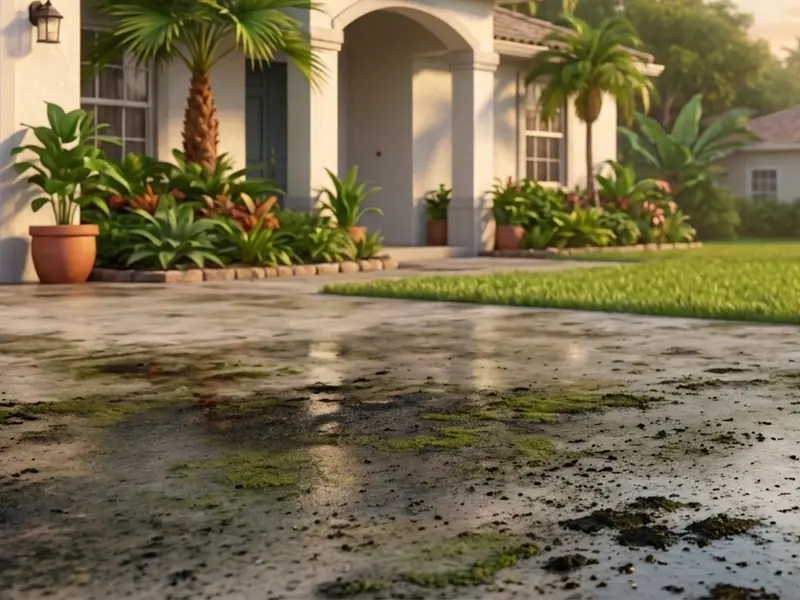
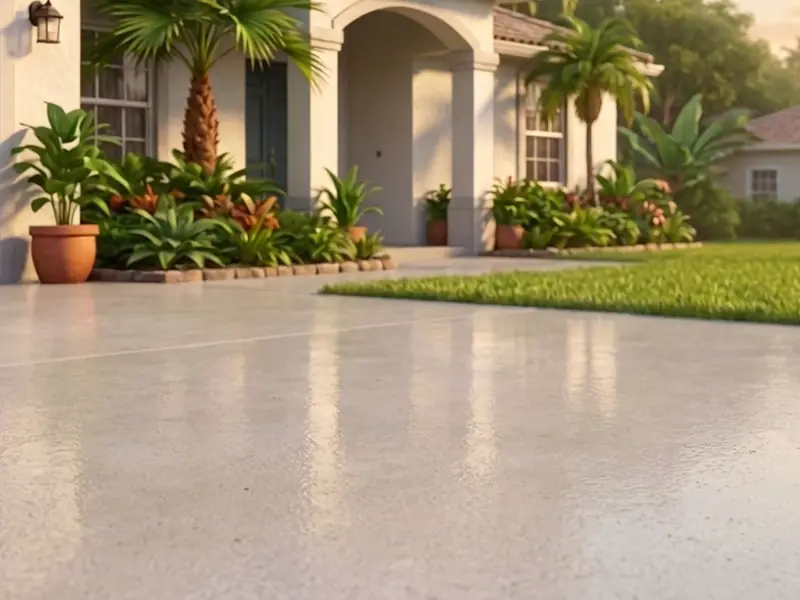 BeforeAfter
Drag to compare. Illustration; your crew sends real before-and-after photos of your own home.
See my price →