
Short answer: Removing old paver sealer usually takes either a stripper made for the job or enough pressure to wear the coating off, and most homeowners get the cleanest result pairing the two rather than relying on either alone. New sealer applied over failing sealer just traps the problem underneath instead of fixing it.
Why sealer needs removing in the first place
Old sealer that's peeling, gone patchy, yellowed, or turned white and hazy usually needs to come off before a fresh coat goes on.
Sealing over a coating that's already failing traps whatever is wrong with it underneath the new layer, which tends to make the next round of peeling worse rather than better.
Strippers, in general terms
A stripper made for paver or concrete sealer breaks down the old coating so it can be rinsed or scraped away.
Strength and dwell time vary a lot by product and by what kind of sealer is already down, water based versus solvent based, so the label is the only source that gets that part right for your specific pavers.
What pressure washing can and can't do on its own
Real pressure with a surface cleaner wears through some sealer on its own, especially where it's already thin, cracked or peeling.
A thick, intact solvent based sealer often needs a stripper first, since pressure alone can just push a coating around without actually lifting it off the pavers.
Protecting the joint sand along the way
Stripping and the pressure work around it can pull sand out of paver joints the same way a regular cleaning does.
Re-sanding afterward is part of getting pavers ready for new sealer, not an optional extra step to skip if you're in a hurry.
Testing before you commit to the whole patio
Sealer type, age and the paver material itself all change how easily a coating comes off, so testing a small hidden section first with whatever method you're using avoids uneven results across a whole driveway or patio worth of pavers.
Where this fits into a full clean and reseal
Puma's paver service cleans, re-sands and reseals pavers as one job on a repeat schedule of every 2 to 3 years, so failing sealer gets addressed as part of that cycle.
That's a different scope than a one-off strip-and-start-over project on pavers that haven't been touched in years.
In Volusia County
Volusia County property records show 56% of homes in the county were built before 1990. Many of those original paver installs are on their first or second round of sealer by now. Puma's paver service cleans, re-sands and reseals at $2.25 per square foot with a $499 minimum, on a repeat schedule of every 2 to 3 years.
Questions people ask
How do I know if my paver sealer has failed?
Common signs are patchy or hazy white spots, peeling flakes, or areas where water no longer beads on the surface the way it should.
Can I just reseal over old sealer?
Sealing over sealer that's already peeling or hazy usually traps the problem rather than fixing it, so removing the failing coating first gives new sealer something solid to bond to.
Will stripping sealer damage the pavers themselves?
It can, if too strong a product or too much pressure is used on a paver material that can't handle it, which is why testing a small hidden spot first and following the label matters.
Do I need to re-sand after stripping sealer?
Yes, in most cases, since both stripping and the pressure washing around it tend to pull sand out of the joints along with everything else.
Keep reading
Your pavers
is next.
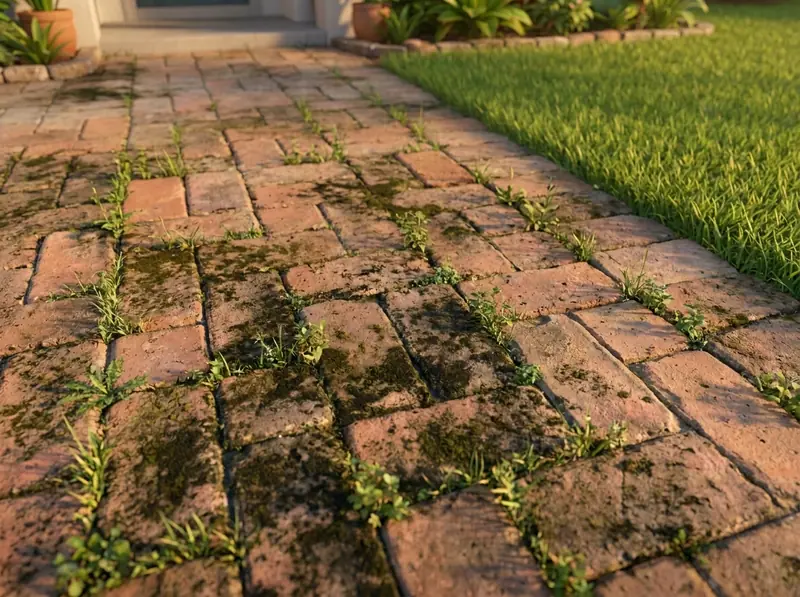
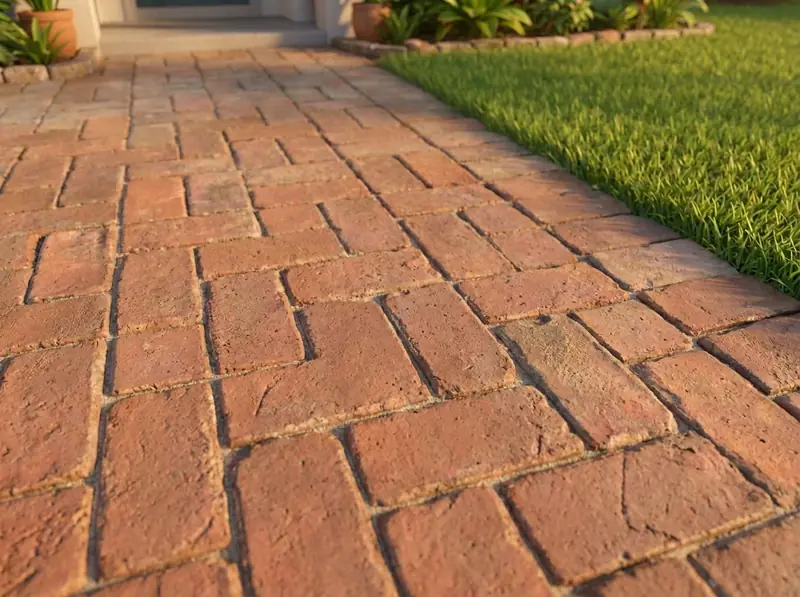 BeforeAfter
Drag to compare. Illustration; your crew sends real before-and-after photos of your own home.
See my price →