

Short answer: Cleaning pavers well takes three real steps: clear and pretreat the surface, wash with the right pressure for your paver material, and re-sand the joints afterward before deciding whether to reseal. Concrete pavers generally take real pressure well, while natural stone or coated pavers often need a gentler approach.
Step 1: clear the surface and pull weeds
Sweep off leaves and debris first, and pull any weeds growing up through the joints by hand, since washing alone rarely clears a root once it's established.
Step 2: pretreat mold, algae or fading spots
A cleaner made for pavers or outdoor stone, applied per its label, gives the wash something to break down instead of just moving surface dirt from one spot to another.
Test a small hidden area first, especially on colored or coated pavers, since some finishes react differently to a cleaning product than plain concrete does.
Step 3: wash with the right pressure for your paver type
Concrete pavers generally hold up to real pressure with a surface cleaner, similar to a driveway, which is what actually lifts algae and grime out of the texture.
Natural stone pavers or ones with a decorative coating may need a gentler approach, since too much pressure can pit softer stone or strip a finish that took real time to build up.
What happens to the joint sand
Pressure washing often pulls some of the sand out of paver joints along with the dirt, which is normal and expected, not a sign anything went wrong.
That's why a clean is usually followed by re-sanding the joints, which keeps pavers locked together and slows weeds from moving back in through the gap.
Sealing after cleaning
Once pavers are clean, dry and re-sanded, sealing locks in the color and helps the surface stand up to Florida sun, rain and salt air.
Puma's paver service covers all three steps together, cleaned, re-sanded, then sealed, on a repeat schedule of every 2 to 3 years.
In Volusia County
Volusia County property records show 56% of homes in the county were built before 1990. That's old enough that many original paver patios have never been resealed at all. Puma cleans, re-sands and seals pavers at $2.25 per square foot with a $499 minimum, on a repeat schedule of every 2 to 3 years.
Questions people ask
Do I need to reseal every time I clean pavers?
Not every single clean, but sealer does wear off over time from sun and rain, so most Florida pavers hold up well being resealed every 2 to 3 years.
Can pressure washing damage pavers?
Concrete pavers generally handle real pressure well, but natural stone or coated pavers can pit or lose a finish if too much pressure is used, so matching pressure to material matters.
What happens if I skip re-sanding?
Loose joints without sand let weeds and ants move back in faster, and the pavers themselves can shift slightly without sand locking them together.
How do I stop weeds in the joints from coming back?
Pulling them out by hand before washing, then re-sanding the joints afterward, closes the gap weeds were using to grow, though nothing stops every seed from landing again eventually.
Keep reading
Your pavers
is next.
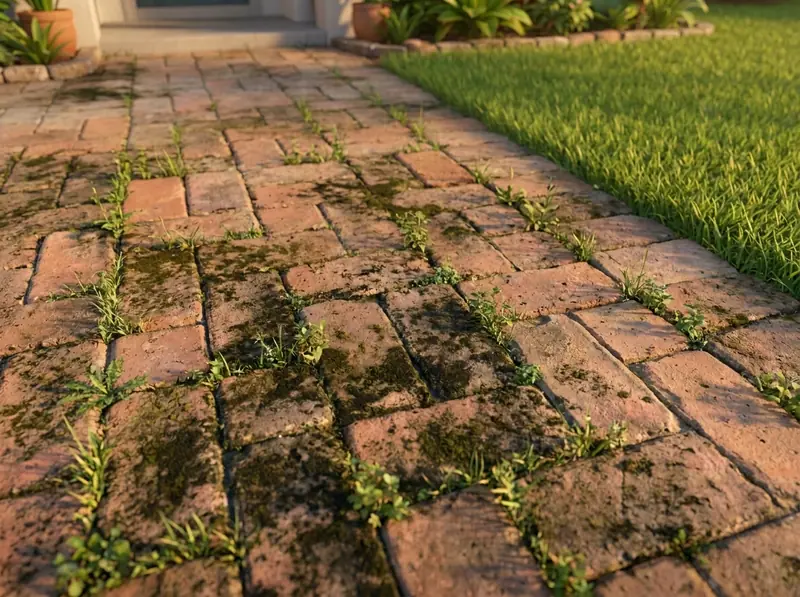
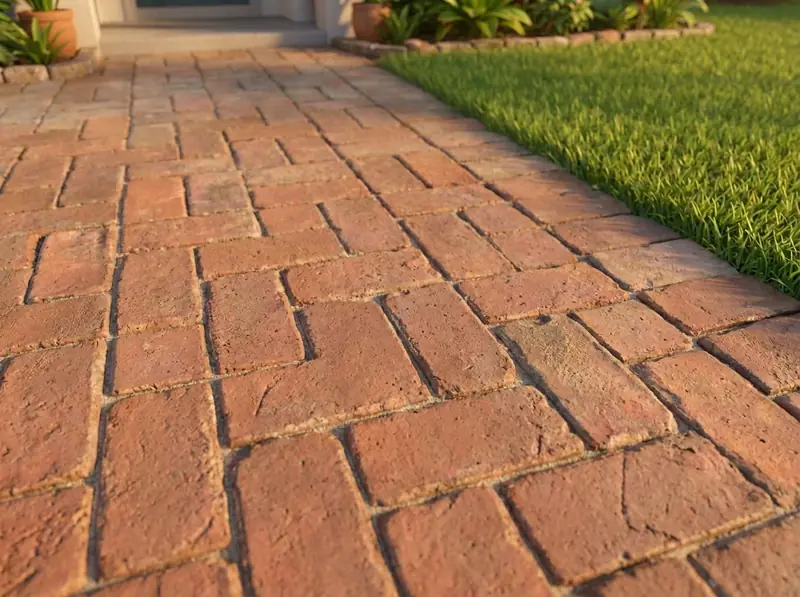 BeforeAfter
Drag to compare. Illustration; your crew sends real before-and-after photos of your own home.
See my price →