

Short answer: Sealing isn't required after cleaning, but it's worth considering. It locks joint sand in place, slows weed regrowth, and helps pavers resist the fading and staining that Florida sun and rain cause between cleanings.
What sealing actually does
A sealant coats the surface of the pavers and helps stabilize the sand in the joints, which is what keeps individual pavers from shifting over time. It also adds a layer of protection against staining and fading from sun exposure.
Some sealants also make the surface easier to clean going forward, since grime and light stains have less to grip onto compared to bare, unsealed pavers. That's a secondary benefit rather than the main reason most homeowners consider it, but it's worth knowing about.
Why cleaning alone doesn't stop the cycle
A wash removes what's already grown, weeds, mildew, grime, but it doesn't change the conditions that let those things return. Without sealing, joint sand stays exposed and ready for the next weed seed that lands, and the cycle picks back up on the same 6 to 12 month schedule.
That's not a failure of the cleaning itself; it's simply what an unsealed surface does in a climate with this much heat, humidity and rain. Sealing is the step that actually changes those conditions rather than just resetting the surface each time.
When it's worth it and when it's skippable
High-traffic areas, pool decks, and patios that see a lot of sun benefit the most from sealing, since they're the ones fading and staining fastest. A shaded, low-traffic walkway that's cleaned regularly on a schedule can reasonably skip it, which is really a budget and priorities call rather than a right or wrong answer.
How it's priced
Sealing is on the instant price now, the same as cleaning. Type in your address, tick paver sealing on the price card, and it's priced at $2.25 per square foot of pavers, $499 minimum, cleaned, re-sanded and sealed in the same visit.
What happens if you never seal
Unsealed pavers aren't at risk of falling apart on their own; plenty of paver patios go years without sealing and just get cleaned on a regular schedule instead. What you're trading off is a bit more fading over time and joint sand that's more exposed to weeds and erosion, not structural failure.
In Volusia County
Puma's price list puts a typical patio-style surface clean, the category pavers fall under, at $149: 30 cents per square foot with a $149 minimum. Volusia County property records show 56% of homes in the county were built before 1990 -- old enough that many original paver installs have gone years without ever being sealed.
Questions people ask
How long does sealing last?
It varies by product, traffic and sun exposure, so there's no single number that fits every patio. Heavier traffic and more direct sun both wear a seal down faster.
Can I seal pavers that were cleaned a while ago?
It's better to seal shortly after a fresh clean, since sealant needs a clean, dry surface to bond to properly.
Does sealing change the color of my pavers?
Many sealants deepen or enhance the existing color rather than changing it outright, but the exact look depends on the product used.
Is sealing worth it on a driveway too, or just pavers?
Sealing is generally a paver conversation since it's tied to protecting joint sand; check what makes sense for your specific driveway surface before assuming it applies the same way.
In your town
Keep reading
Your pavers
is next.
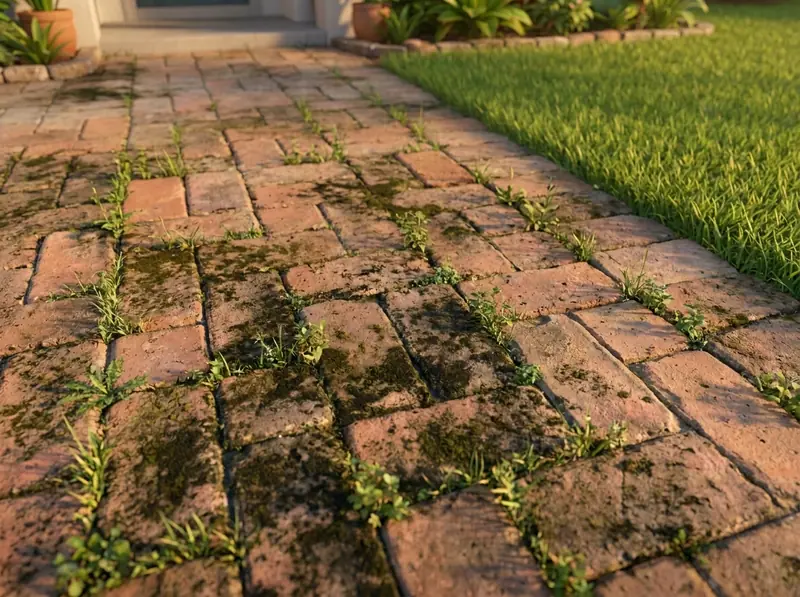
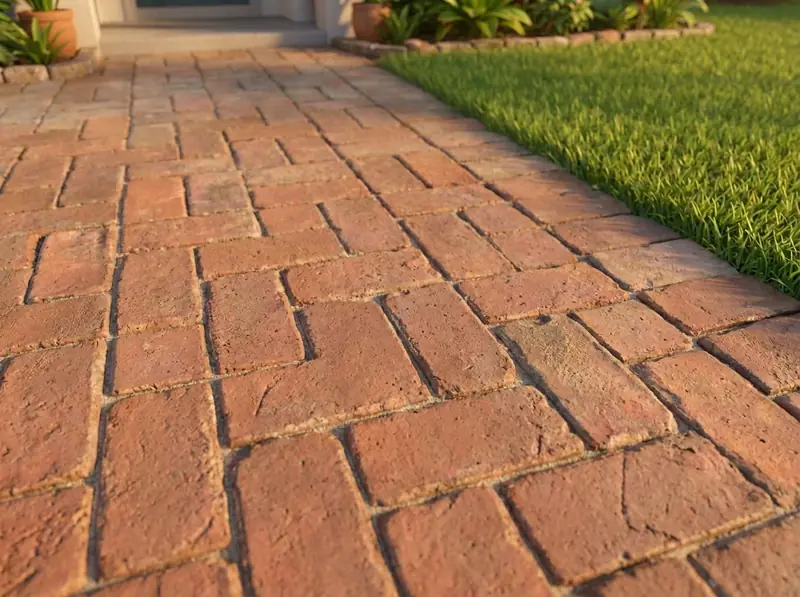 BeforeAfter
Drag to compare. Illustration; your crew sends real before-and-after photos of your own home.
See my price →