

Short answer: Cleaning pavers works on any reasonably dry day, the same as most outdoor surfaces. Sealing is more particular: it needs a dry paver surface and a stretch of dry weather afterward for the sealant to cure properly, which makes Florida's drier months the easier window for that part.
Why sealing cares more about the weather than cleaning does
A cleaning visit just needs dry-enough conditions to work in. Sealant, on the other hand, needs to bond and cure without rain interrupting it, so timing that step around Florida's frequent afternoon storms takes a bit more planning than scheduling a wash.
The pavers themselves also need to be fully dry before sealant goes on, not just the surface but the joint sand underneath. A patio that looks dry an hour after a storm can still be holding moisture below the surface, which is part of why sealing timing gets more attention than cleaning timing.
Working around the rainy season
Cleaning during the rainy months is still fine; it just means the fresh, clean look has less time before growth conditions return. Sealing during that stretch is riskier, since a storm rolling through before the sealant cures can affect the finish. Sealing isn't off the table in summer, it just means watching the forecast for a realistic dry stretch, which Florida's drier months make easier to find.
Planning around an event
If you're prepping a paver patio for a gathering, work backward from the date and leave enough runway for both cleaning and sealing, plus a buffer day in case of rain. Cleaning alone can be scheduled closer to the date than sealing can.
Pool decks add their own timing wrinkle
A paver pool deck that stays wet from regular pool use makes it harder for a fresh seal to fully cure, so it can help to plan sealing for a stretch when the deck gets a break from splashing and rain both.
Coordinating with a pool cage cleaning
If your paver patio sits inside a screened pool cage, it's worth booking both around the same time since access to one usually means access to the other. The cage and the pavers are priced separately, but doing them together in one visit is often more convenient than two trips weeks apart.
Keeping it simple with a repeating schedule
Puma Pass handles the cleaning side automatically every 6 months at 15 percent off. Sealing gets scheduled on its own timeline since it doesn't need to happen as often as cleaning does.
In Volusia County
Puma's price list puts a typical patio-style surface clean, the category pavers fall under, at $149: 30 cents per square foot with a $149 minimum. Volusia County property records show 56% of homes in the county were built before 1990. Many original patios have gone through several rainy seasons without sealing, which is part of why timing matters.
Questions people ask
Can cleaning and sealing happen on the same visit?
Sealing goes over a clean, dry surface, so the pavers usually need to dry out between the two steps rather than happening in the same hour.
What happens if it rains right after sealing?
Rain before the sealant has cured can affect the finish, which is why a dry weather window matters more for sealing than for cleaning.
Is there a bad time of year to clean pavers?
Not really. Cleaning works in most weather; it's really only sealing that benefits from picking a drier stretch.
Should I schedule around a specific holiday or event?
If you're hosting something, work backward from that date and leave extra buffer for sealing specifically, since it's the step most affected by weather.
Keep reading
Your pavers
is next.
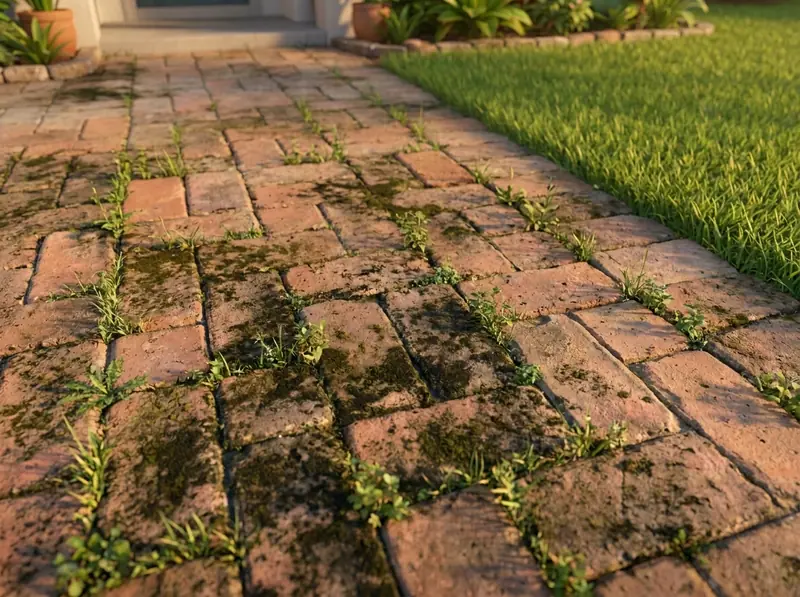
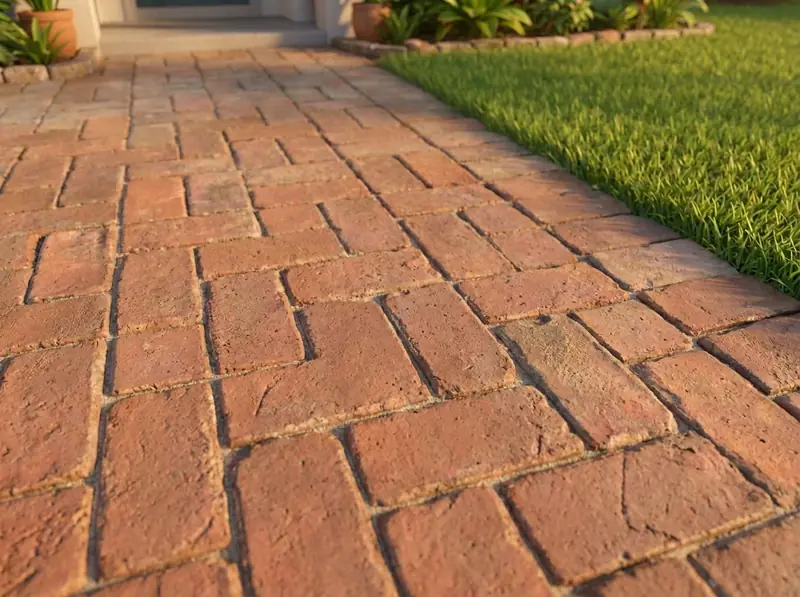 BeforeAfter
Drag to compare. Illustration; your crew sends real before-and-after photos of your own home.
See my price →