

Short answer: The biggest mistake is using too much pressure on the wrong surface, like aiming a narrow, high-pressure stream at stucco, siding or a roof instead of using a soft wash on those materials. The second is skipping the right technique for the job, which leaves streaks, missed spots or damage that costs more to fix than the cleaning would have.
Wrong pressure, wrong surface
Roofs, stucco, vinyl siding and block all call for a soft wash, a cleaning solution at low pressure, because high pressure can crack stucco, strip granules off shingles, or force water behind siding panels. Concrete is the one surface built to take real pressure well, ideally spread evenly with a surface cleaner rather than a narrow wand.
A rental pressure washer usually comes with one nozzle setup meant for concrete, and using that same setup on a wall or roof is one of the most common ways a DIY job goes wrong fast.
Uneven technique on concrete
A hand-held wand held too close or moved unevenly across a driveway leaves stripes and uneven patches, since the water pressure hits some spots harder and longer than others. A surface cleaner, the flat rotating attachment, spreads pressure evenly, which is why it is the tool used for a full driveway rather than a narrow wand.
Skipping the test spot
Whatever product or pressure setting you plan to use, testing it on a small, hidden area first shows you how the surface reacts before you commit to the whole job. Skipping this step is how a homeowner ends up with a lightened patch or an obvious line where the pressure changed partway through.
Underestimating what is protected during a real job
Plants, grass and anything sitting on a driveway or patio need to be accounted for, whether that means wetting them down first or working around them. Runoff from a cleaning product can stress or damage plants that were not protected beforehand.
When the trade-off tips toward hiring out
A rented machine, a trip to buy the right products, and a full weekend spent learning the right technique on your own house often ends up costing close to what a professional job runs, without the even, tested result. Puma's price list runs a typical house wash at $279 and a driveway at $212 both from your address, with a test stripe before the rest of the job goes ahead.
In Volusia County
Volusia County property records show 56% of homes in the county were built before 1990 with plenty of stucco, block, vinyl and brick that a first-time DIY job can easily overdo with too much pressure. Puma's price list runs a typical house wash at $279.
Questions people ask
Can a rental pressure washer damage my roof?
Yes, high pressure can strip the protective granules off shingles, which is permanent damage. Roofs call for a soft wash rather than direct pressure.
What is the most common concrete mistake?
Holding a narrow wand too close or moving it unevenly, which leaves stripes. A surface cleaner spreads the pressure evenly instead.
Do I need to protect my plants during a DIY wash?
Yes. Wetting plants down before you start and rinsing them after helps limit stress from runoff and any cleaning product used.
Is it cheaper to DIY than to hire a pro?
Once you add up a rental machine, products and the time it takes to do it evenly, the gap between DIY and hiring out is often smaller than it looks upfront.
Keep reading
Your house
is next.
 BeforeAfter
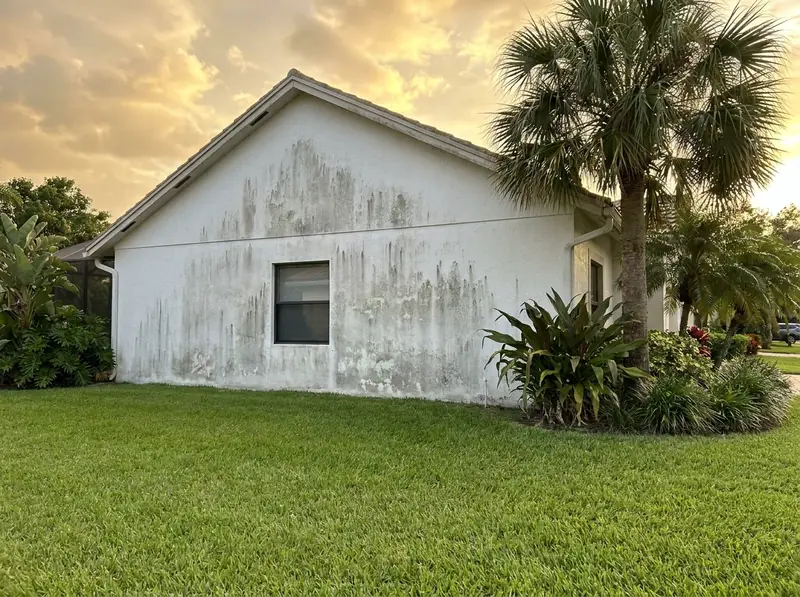
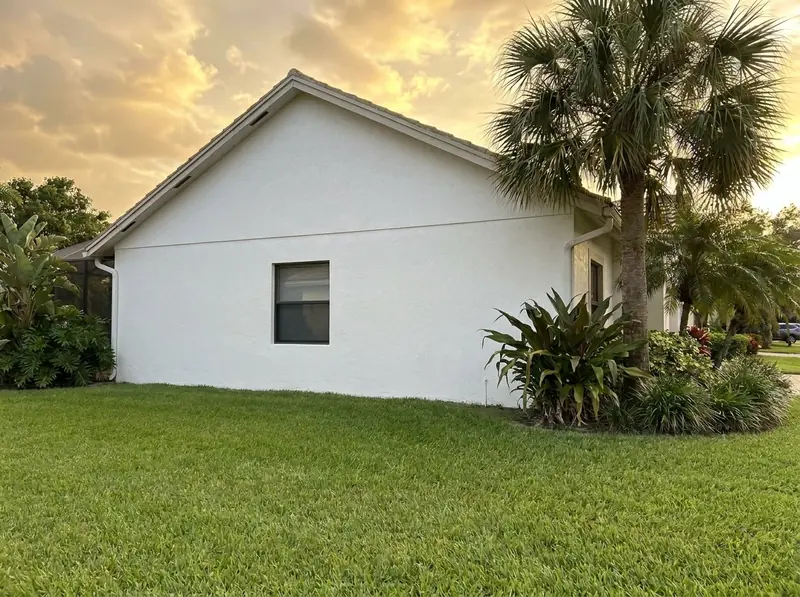
Drag to compare. Illustration; your crew sends real before-and-after photos of your own home.
See my price →