

Short answer: For a full house wash, hiring a pro is the safer call, mainly because a rental pressure washer is usually more pressure than stucco, siding or brick can safely take. A soft wash uses a cleaning solution at low pressure, which isn't how most consumer equipment is set up to work out of the box.
Where DIY runs into trouble
Rental pressure washers are built for pressure, and that's the opposite of what a house exterior needs. Too much force on stucco can crack it, on siding it can strip paint or force water behind the panels, and on any two-story section it adds a reach and ladder problem on top of the pressure problem.
Dialing a consumer machine down to something safe for stucco or siding is harder than it sounds, and most rental units aren't set up with the same low-pressure, solution-based approach a soft wash uses in the first place, which makes the margin for error pretty thin.
What a soft wash gets right
A soft wash uses a cleaning solution at low pressure to break down algae and mildew, then rinses it off, without the risk of surface damage that comes from blasting a house with a consumer machine. It's a different approach, not just a gentler version of pressure washing done more carefully.
Where DIY still makes sense
Spot-cleaning a small patch of mildew near ground level with a soft brush and a careful hand is reasonable. A full exterior, especially anything above the first story, is where the risk and the ladder work both go up at the same time, and that's where most homeowners choose to step back.
If you're already comfortable with basic yard equipment and the spot is at eye level or below, a careful DIY touch-up between professional visits can hold a small area over without much risk.
The time and equipment trade-off
Renting the right equipment, mixing a cleaning solution safely, and working around landscaping and pets all take real time on a weekend. Weighed against a set price and a crew that handles all of that, the time savings alone push many homeowners toward hiring out instead of doing it themselves.
What hiring a pro actually costs
A house wash is priced by square footage and story count, 15 cents per square foot for one story or 15 cents for two, with a $279 minimum. You book a day, pay a 25% deposit, and the crew runs a test stripe before doing the rest, so you know what you're getting before you're committed to the full job.
That price also includes the cleanup and rinse-down afterward, so there's no leftover solution runoff left sitting on the driveway or in the grass for you to deal with once the crew leaves.
In Volusia County
Volusia County property records cover 235,236 homes, and the typical price for a professional house wash here is $279. That's the trade-off against renting equipment: a set price from your address versus the cost of a rental plus the risk of damaging stucco, siding or paint yourself over the course of a weekend.
Questions people ask
Can I use a regular garden hose sprayer instead of a pressure washer?
A hose alone won't remove established algae or mildew. It can help with light dust but isn't a substitute for the cleaning solution a soft wash uses to break down growth.
Is a soft wash something I can do myself with the right chemicals?
Getting the mix and application right without damaging landscaping or the surface takes experience, which is the main reason most homeowners hand this one to a pro rather than DIY it themselves.
What if I only need one spot cleaned, not the whole house?
A small, low, easily reachable spot can be reasonable to handle yourself. Anything requiring a ladder or covering the full exterior is where hiring out makes more sense.
Is renting equipment actually cheaper than hiring a pro?
Once you factor in the rental cost, cleaning solution and your own time, it's often close to or more than the professional price, without the same low risk to your siding or stucco.
Keep reading
Your house
is next.
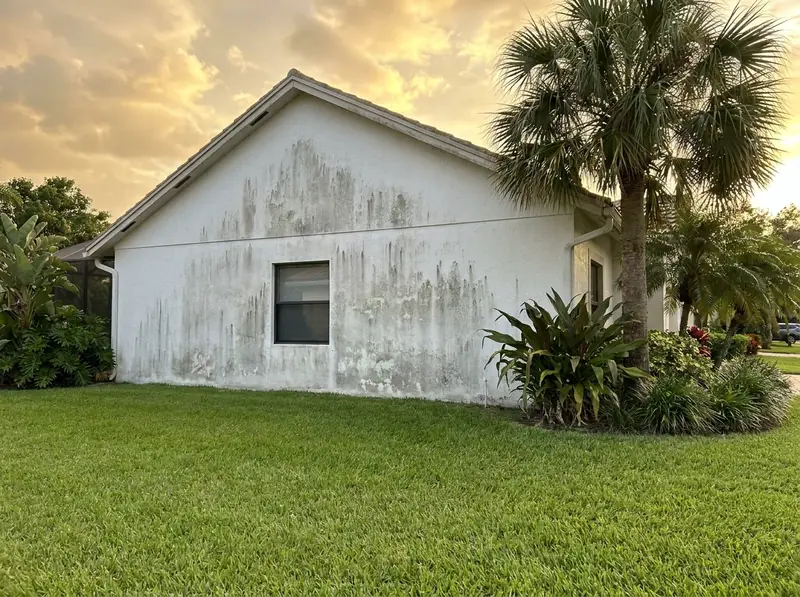
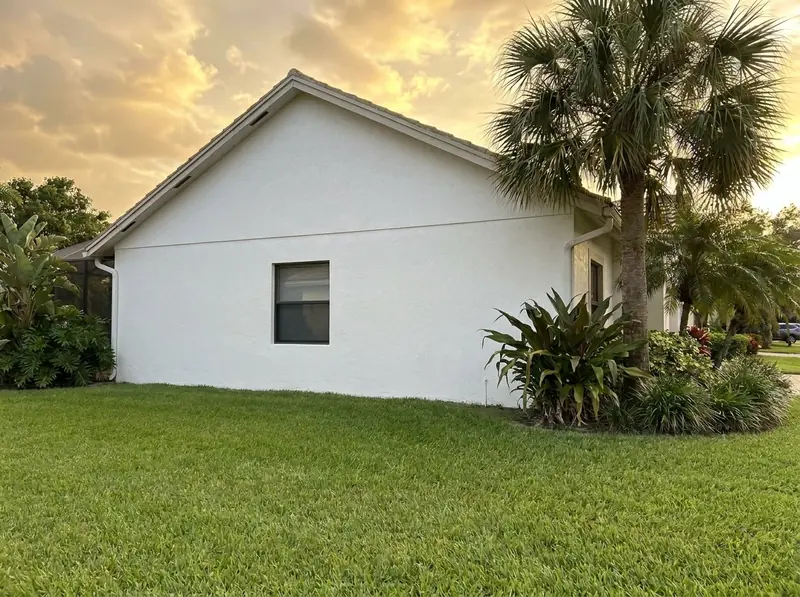 BeforeAfter
Drag to compare. Illustration; your crew sends real before-and-after photos of your own home.
See my price →