

Short answer: There is no single sealer that wins for every paver patio, since wet look and natural finish sealers, and water-based and solvent-based formulas, each trade off differently against Florida sun, rain and salt air. The right pick depends on the look you want and how much upkeep you are willing to do, more than any one product being universally best.
Wet look versus natural finish
A wet look sealer darkens pavers and adds a glossy sheen that shows off color, while a natural or matte finish keeps the paver's original look with far less shine. Wet look tends to show wear, dust and footprints more visibly between cleanings, while a matte finish hides that better but shows less color pop.
Water-based versus solvent-based
Water-based sealers generally have a milder odor and are easier to apply, while solvent-based sealers tend to penetrate deeper and can hold up longer in some conditions. Each comes with its own label instructions for surface prep, drying time and reapplication, so the product you choose determines the specifics rather than a general rule.
What Florida sun, rain and salt actually do
Intense UV exposure breaks down sealer over time, and it happens faster on pavers that get full sun most of the day compared to a shaded patio. Heavy rain and humidity add moisture pressure from underneath, and salt air near the coast adds another layer of wear on top of both.
How long any sealer actually lasts under those conditions depends on the specific product, how it was applied, and how much sun and weather a particular patio gets, so drying and lasting times come from the product's own label rather than a single number that fits every yard.
Why the joints matter as much as the surface
Sealer protects the paver surface, but the sand in the joints between pavers is what keeps them locked in place and weeds from pushing through. A sealing job that skips re-sanding the joints first is only doing half the work, regardless of which sealer goes on top.
How Puma handles this
Puma cleans the pavers, re-sands the joints, then seals the surface, and repeats that full cycle every 2 to 3 years rather than trying to stretch a single seal coat indefinitely. That schedule is built around keeping the joints solid and the seal fresh rather than any one brand's specific claims.
In Volusia County
Volusia County property records do not track which sealer brand or finish homeowners choose, but Puma's price list runs the full clean, re-sand and seal job together at $2.25 per square foot with a $499 minimum, repeated every 2 to 3 years.
Questions people ask
Does a wet look sealer last longer than a natural one?
It depends on the specific product and how much sun the patio gets, not the finish type alone. Both wet look and natural sealers come in a range of formulas with different lasting times.
Do I need to reseal every paver patio on the same schedule?
A patio in full sun near the coast tends to need attention sooner than a shaded one inland, so the right timing varies by property.
Can I seal over an old sealer without cleaning first?
Cleaning and re-sanding the joints first gives a new seal coat something solid to bond to, rather than sealing over dirt or a failing old coat.
Is a darker sealer a sign of better quality?
No, a wet look sealer simply darkens the paver and adds sheen by design. It says nothing about how long the product itself will hold up.
Keep reading
Your pavers
is next.
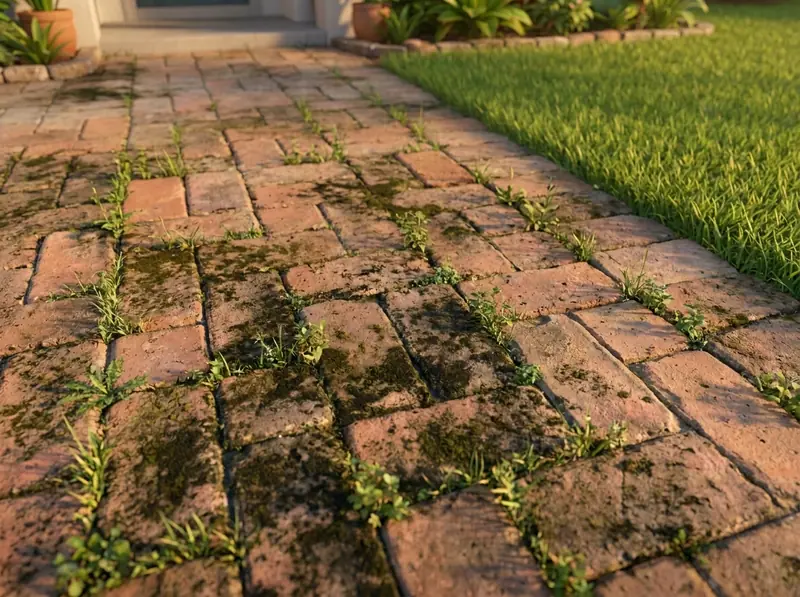
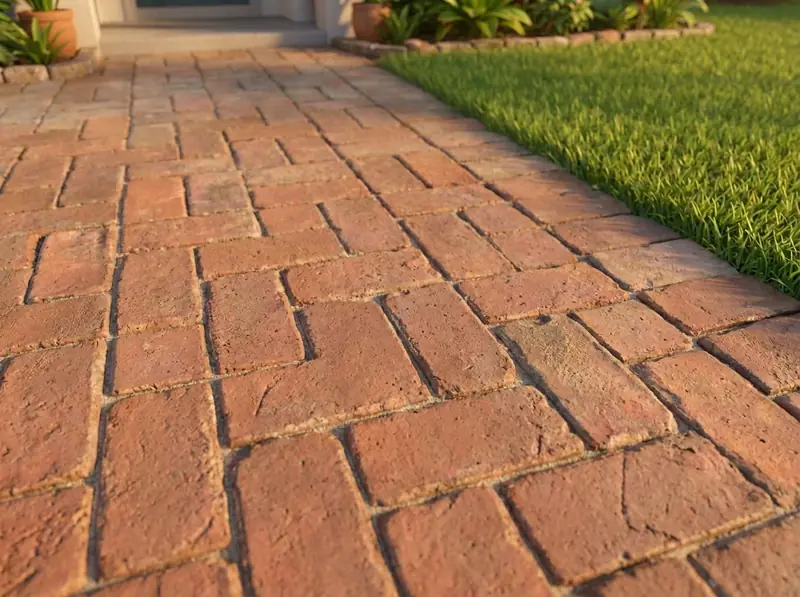 BeforeAfter
Drag to compare. Illustration; your crew sends real before-and-after photos of your own home.
See my price →