

Short answer: There isn't one best cleaner for concrete since it depends on the stain: dish soap and water handles everyday dirt, an alkaline degreaser targets oil and grease, and a labeled mildewcide handles algae and mold. For a whole driveway rather than a spot stain, real pressure with a surface cleaner does more even work than any single product applied by hand.
Everyday dirt and light grime
Plain dish soap and water with a stiff broom handles most everyday dust, dirt, and light staining on concrete. It's the safest starting point for any surface, including sealed or decorative concrete, since it won't discolor or etch anything.
A quick rinse afterward, from a hose or a light pressure setting, finishes the job for surfaces that aren't heavily stained.
Oil and grease
An alkaline degreaser made for driveways breaks down oil and grease better than plain soap. Fresh spots usually lift well, though old, deeply set oil stains often lighten rather than disappear completely, since the oil has soaked into the concrete rather than sitting on the surface.
Follow the label exactly for how it's applied and how long it needs to sit, and test a small hidden area first to check how the specific product reacts with your concrete.
Algae, mold, and mildew
Black mold and green algae on concrete respond to a labeled mildewcide or algaecide more directly than a general cleaner, since those products are built to kill the growth rather than just lift dirt off the surface. Oxygen bleach is a gentler alternative to chlorine bleach for some homeowners, though it works more slowly.
Whichever product is used, following its label matters more than which brand it is, since concentration, dwell time, and rinsing instructions vary by product and change how well it actually works.
Where muriatic acid fits, and why it's risky
Muriatic acid is a strong acid sometimes used on concrete for heavy staining or as a prep step before sealing, but it's genuinely hazardous: it releases fumes, can burn skin, and will damage grass and plants if runoff isn't controlled. It's the kind of product that calls for real protective gear and careful handling, not a casual weekend project.
Given those risks, a lot of homeowners are better off calling a professional for a job that would otherwise call for muriatic acid, rather than handling it themselves for the first time.
Why pressure beats chemicals for a full driveway
For a whole driveway rather than a single stain, real pressure applied with a surface cleaner, the flat rotating attachment that spreads pressure evenly, lifts dirt, algae, and most grime without relying on a chemical to do the heavy work. It's also a more even result across a full slab than any hand-applied product tends to give.
That's the difference between spot-treating a stain and actually cleaning a driveway: a targeted cleaner solves one problem, while pressure and a surface cleaner address the whole surface at once.
In Volusia County
Puma's price list puts a typical driveway clean at $212 using real pressure and a surface cleaner rather than a chemical treatment. Volusia County property records show 56% of homes were built before 1990 meaning plenty of driveways have had decades to collect the kind of oil and algae stains where the right cleaner, or the right pressure, actually matters.
Questions people ask
Is bleach a good all-purpose concrete cleaner?
Bleach can lighten mildew and algae staining, but it doesn't address oil or grease, and it can harm nearby grass and plants if it isn't diluted and rinsed exactly as the label directs.
Can I mix different concrete cleaners together for a stronger result?
No, mixing cleaning products, especially anything acidic with anything containing bleach, can create dangerous fumes. Use one labeled product at a time and follow its instructions.
Does a more expensive cleaner work better?
Not necessarily. Matching the product to the actual stain, oil, algae, or general dirt, matters more than price, and following the label matters more than either.
Should I pressure wash before or after applying a cleaner?
Most labeled cleaners are meant to be applied first and left to dwell, then rinsed, whether that rinse is a hose or a pressure washer on a low setting.
Keep reading
Your driveway
is next.
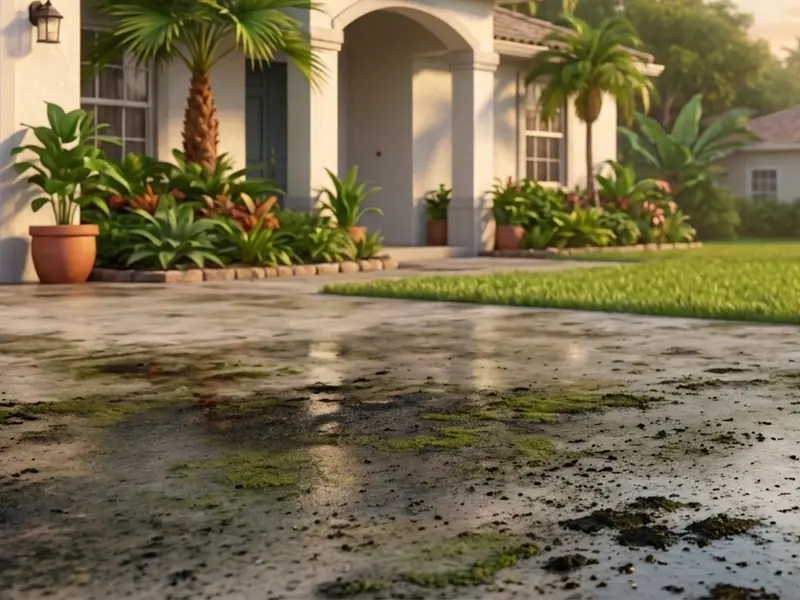
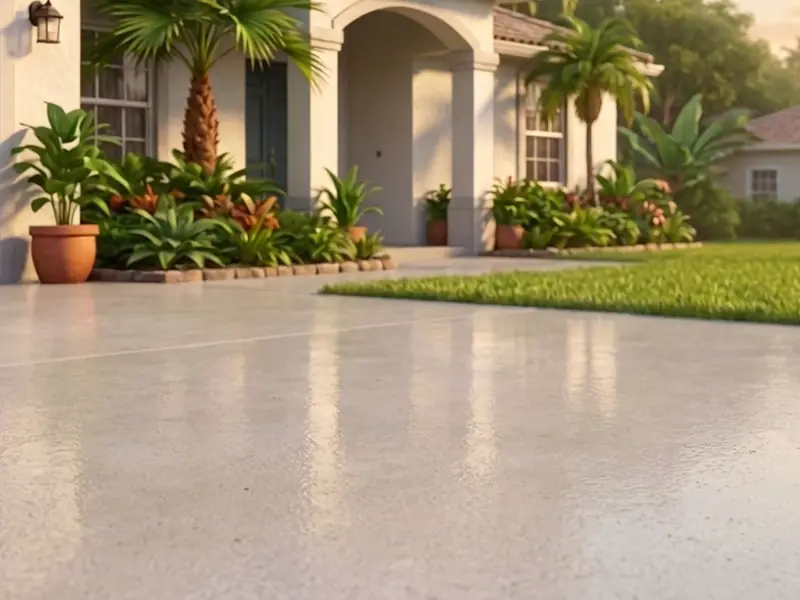 BeforeAfter
Drag to compare. Illustration; your crew sends real before-and-after photos of your own home.
See my price →