

Short answer: A wet look sealer gives pavers a glossy finish and deepens the color, while a natural, or matte, sealer protects the same way but leaves the pavers looking close to how they looked dry. Both kinds lock in the joint sand, repel water, and make future cleaning easier, so the choice mostly comes down to the look you want. Florida sun, rain, and salt air all wear on either finish over time, which is why pavers get resealed every 2 to 3 years.
What each finish actually looks like
A wet look sealer sits on top of the pavers and reflects light, giving a glossy, just-rained-on appearance and making the color look richer than the dry paver underneath. A natural or matte sealer soaks in more and leaves the surface looking close to its original dry color, just protected.
Neither finish changes the paver itself, only how light bounces off the sealed surface, so the decision is really about whether you want that shine or a more understated look.
Water-based vs solvent-based
Sealers also come in water-based and solvent-based versions, and the two behave differently during application and while curing. In general terms, solvent-based products tend to produce a stronger wet look and cure differently than water-based ones, and each has its own odor, application, and cure time listed on its label.
Which one is right for a given job depends on the paver material, the existing finish, and the product's own label, so following that label closely matters more than the general category.
What Florida weather does to either finish
Florida sun is intense enough to fade or dull a sealer's finish over time, and heavy rain and humidity add moisture that a sealer is there to repel in the first place. Homes near the coast also deal with salt air, which adds another layer of wear on top of sun and rain.
All of that is normal wear, not a sign the sealer failed, and it is exactly why a reseal on a set schedule keeps the protection working rather than waiting until it visibly breaks down.
How long a sealer lasts
How long a specific sealer holds up depends on the product itself and the weather it faces, so the exact number of years varies by label and by how much sun, rain, and salt a given patio or driveway sees. Puma's own paver service reseals pavers every 2 to 3 years to keep the joints locked and the surface protected on a predictable schedule.
A wet look finish sometimes shows dulling sooner than a natural finish simply because the shine is more noticeable when it starts to fade, even if the underlying protection is holding up about the same.
Getting pavers ready for either sealer
Either finish needs clean pavers and freshly re-sanded joints underneath it to work well, since sealing over dirt, algae, or loose joint sand just traps the problem under a glossy or matte coat. Puma's paver service cleans the pavers, re-sands the joints, and seals in one visit, priced at $2.25 per square foot with a $499 minimum.
In Volusia County
Volusia County property records show 56% of homes were built before 1990. A lot of that generation of paver patios and driveways have been resealed at least once by now. Puma's paver service, cleaning, re-sanding, and sealing together, runs $2.25 per square foot with a $499 minimum.
Questions people ask
Which finish is more popular, wet look or natural?
It comes down to personal taste. A wet look reads bolder and richer in color, while a natural finish looks closer to the pavers' original dry appearance.
Does a wet look sealer protect better than a natural one?
Not necessarily. Both types lock in joint sand and repel water, so the main difference is how the finished surface looks rather than how well it protects.
Can I switch from wet look to natural on my next reseal?
In many cases yes, though it depends on what is already on the pavers and the new product's label. Check compatibility on the label before switching finishes.
How do I know when it is time to reseal?
Water no longer beading on the surface, a duller finish, or loose joint sand are common signs. Puma's schedule reseals pavers every 2 to 3 years to stay ahead of that.
Keep reading
Your pavers
is next.
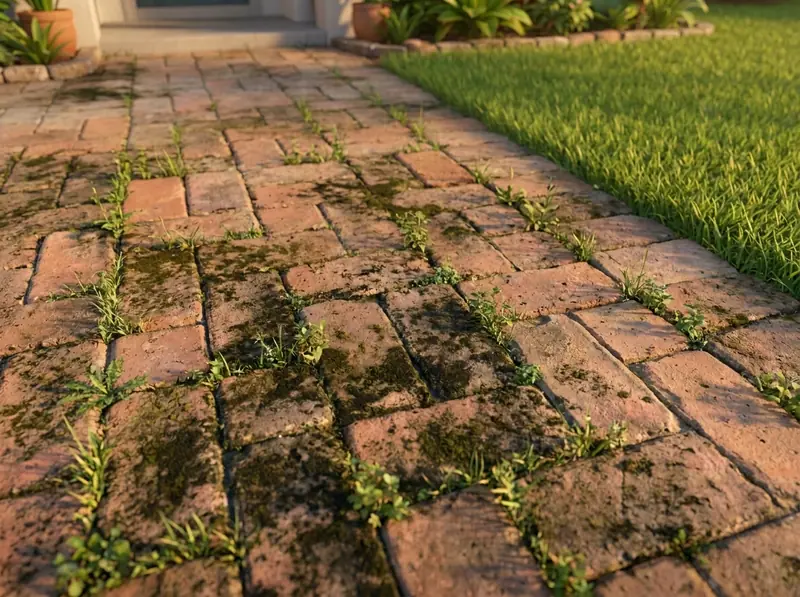
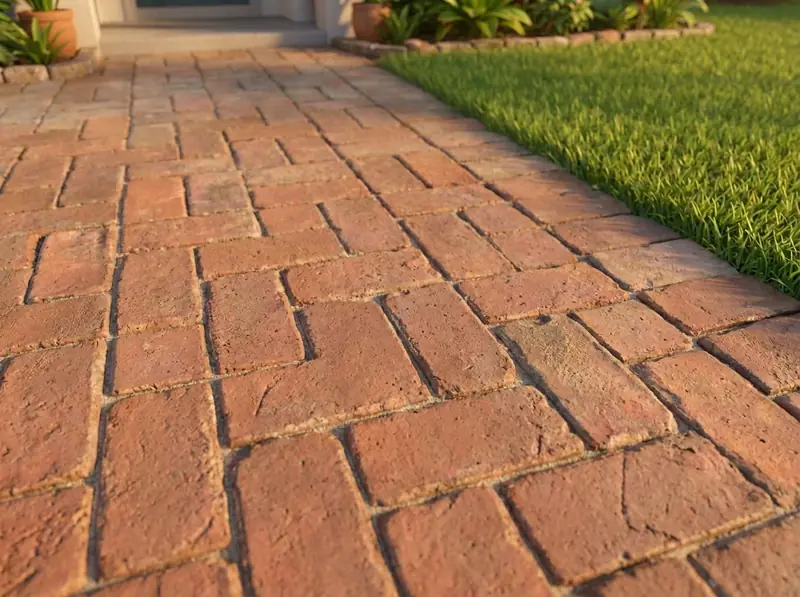 BeforeAfter
Drag to compare. Illustration; your crew sends real before-and-after photos of your own home.
See my price →