

Short answer: Black roof streaks are caused by Gloeocapsa magma, an algae that feeds on the limestone filler in shingles. It spreads by wind, which is why it often shows up first on the shaded, north-facing slope of a roof before working its way across the rest of the surface.
Why this particular algae likes your roof
Gloeocapsa magma feeds specifically on the limestone filler in shingles, which most asphalt shingles contain. That gives it a food source most other surfaces don't offer, and it explains why the streaking is so specifically a roof problem rather than something you see the same way on siding.
That's also why two roofs of different materials right next to each other can look completely different after a few years, even with identical sun and shade exposure, since one has the food source and the other doesn't.
Why it spreads the way it does
It spreads by wind, carried from roof to roof across a neighborhood. Florida's heat, humidity and plenty of shaded roof lines give it ideal conditions to take hold and keep spreading once it's established on a given street.
A single untreated roof in a neighborhood can act as a source for years, quietly sending spores to surrounding homes long after the original roof's owner has stopped noticing the staining themselves.
Why it always starts on one side first
The north-facing or otherwise shaded slope of a roof stays damp longer after rain and gets less direct sun, which is exactly the environment this algae needs. That's why streaking often shows up there well before the rest of the roof shows any sign of it.
How it's removed
A soft wash, a cleaning solution applied at low pressure, breaks down the algae without stripping the granules the way high pressure would. It's treating the actual organism causing the streaks, not just scrubbing at the surface where it's visible.
The crew typically works from the top of the roof down, letting the solution and rinse water flow the direction the roof was designed to shed water in the first place.
Staying ahead of it once it's gone
Since the algae spreads by wind from other roofs, a roof that's just been cleaned isn't permanently immune to it coming back. A recurring cleaning schedule, roughly every 2 to 3 years, is what keeps it from building back up to a visible level again.
In Volusia County
Shingle roofs, the type this algae specifically feeds on, make up 77% of the 235,236 homes in Volusia County property records, and about 56% of those homes were built before 1990 so a lot of roofs have had years for the algae to establish and spread. The typical roof cleaning across the county prices at $464.
Questions people ask
Will the black streaks come back after cleaning?
They can, since the algae spreads by wind from other roofs nearby. A recurring cleaning schedule, roughly every 2 to 3 years, keeps it from building back up to a visible level.
Does a new roof mean I won't get streaking?
Eventually most shingle roofs are exposed to this algae given enough time and wind-blown spread, though a newer roof may take a while before streaking becomes visible.
Can I just clean the shaded side where it's worst?
You can, but treating the whole roof addresses the algae before it spreads further across the rest of the surface.
Is the algae harmful to the people in the house?
For anything related to health, it's best to check with a medical professional. What Puma can tell you is how to remove it from the roof safely with a soft wash.
Keep reading
Your roof
is next.
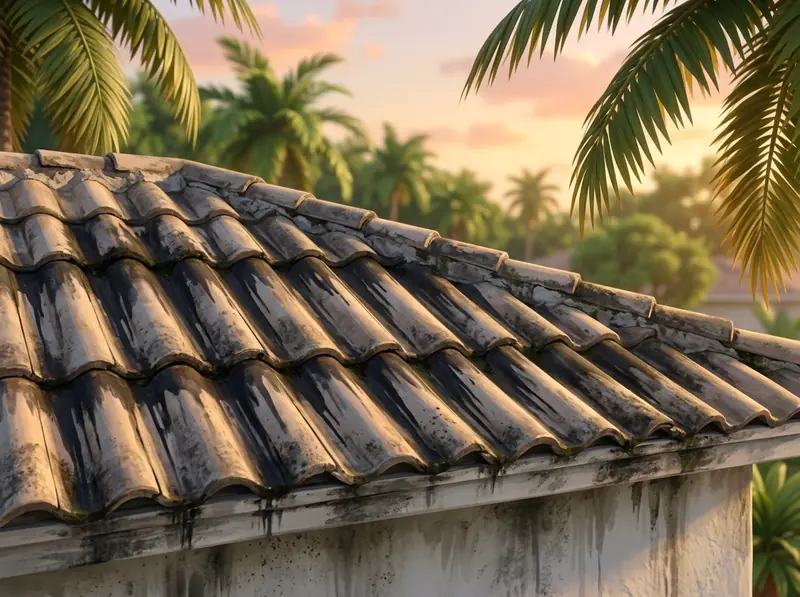
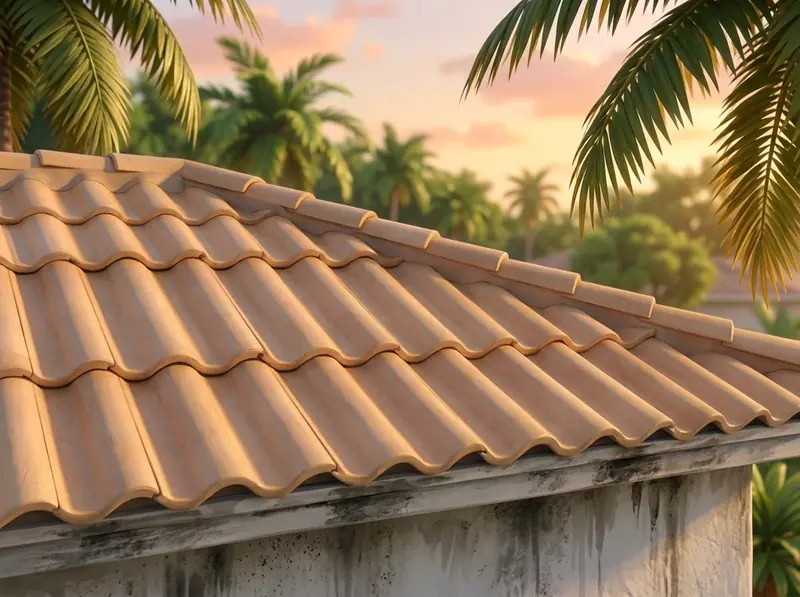 BeforeAfter
Drag to compare. Illustration; your crew sends real before-and-after photos of your own home.
See my price →