

Short answer: No, hot water isn't a requirement for most residential pressure washing. Cold water with the right pressure and, on concrete, a surface cleaner handles dirt, algae, and most grime just fine. Hot water mainly earns its keep on grease and oil, where heat helps break the bond between the stain and the surface.
What actually does the work
On concrete, the combination of pressure and a surface cleaner, the flat rotating attachment that spreads water evenly, is what lifts dirt, algae, and most grime. Temperature isn't the deciding factor there. On a roof or wall, it's the cleaning solution in a soft wash doing the work at low pressure, not the water's heat.
That's why most residential jobs, from a driveway to a house wash, get by fine without needing heated water to get a good result.
Where heat actually helps
Grease and heavy oil respond to heat because warmth loosens the bond between the stain and the surface it's sitting on, which is why commercial kitchen equipment and some industrial degreasing setups use hot water pressure washers. A home driveway with a typical oil drip usually doesn't need that.
Old, deeply set oil stains on a driveway often lighten with pressure and a surface cleaner but may not disappear completely either way, since the oil has soaked into the concrete itself rather than sitting on top of it.
Why it's not the deciding factor for algae and mildew
The black streaks on a roof and the green streaking on a shaded wall are living growth, algae and mildew, not baked-on grime. What kills them is the cleaning solution used in a soft wash, applied at low pressure, not the water's temperature rinsing it away afterward.
So heat isn't what separates a good roof or house cleaning from a bad one. The method, soft wash versus real pressure, matched to the right surface is what matters.
What to weigh if you're renting equipment
Hot water pressure washer units cost more to rent and run than cold water ones, and for most homeowner jobs, driveways, patios, sidewalks, that extra cost doesn't buy a meaningfully better result. A basic unit with the right nozzle handles the great majority of residential cleaning.
If you're specifically dealing with heavy grease, like a garage floor with years of car maintenance on it, that's the one case where extra heat is worth the extra trouble.
In Volusia County
Volusia County property records cover 235,236 homes, and 56% were built before 1990. Puma's price list puts a typical driveway clean at $212 and a typical house wash at $279 both priced by size rather than by any equipment used.
Questions people ask
Does Puma use hot water?
The method matters more than the water temperature: a soft wash solution at low pressure for roofs and walls, and real pressure with a surface cleaner for concrete.
Will regular water remove mold and mildew?
Yes, when it's paired with a cleaning solution built to kill mold and mildew rather than water pressure alone. The solution does the work; the water rinses it away.
Is hot water pressure washing more expensive?
Hot water units generally cost more to rent or run than unheated ones, which is part of why they're mostly reserved for heavy grease jobs rather than everyday residential cleaning.
Does temperature matter for driveway oil stains?
Heat can help loosen fresh grease and oil, but for most driveway stains, pressure and a surface cleaner do the bulk of the work regardless of water temperature.
Keep reading
Your house
is next.
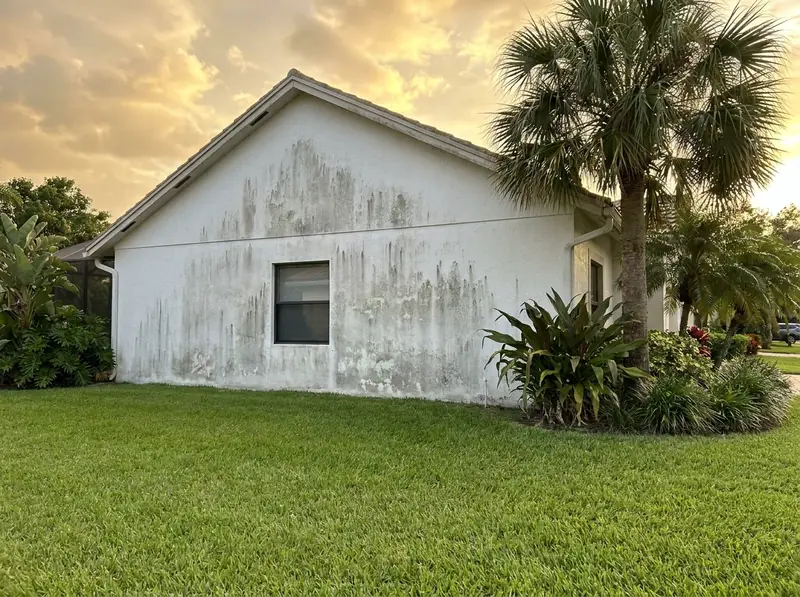
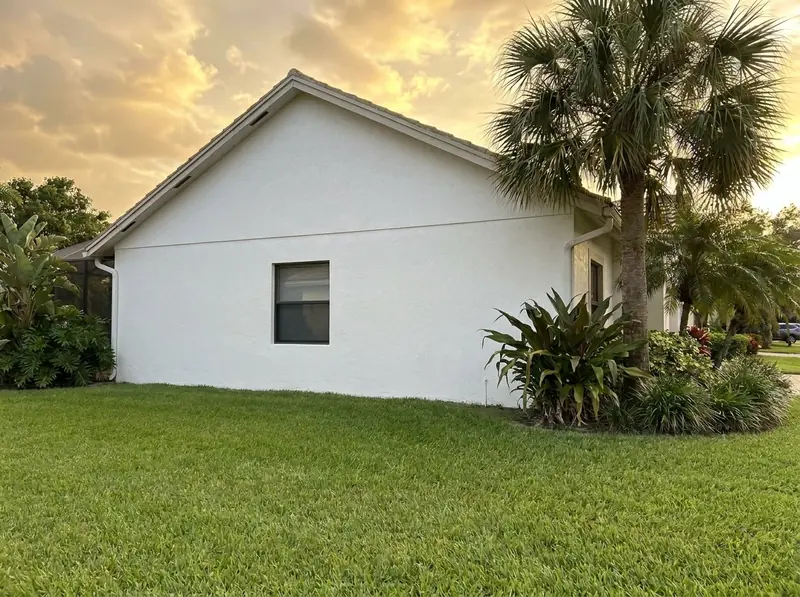 BeforeAfter
Drag to compare. Illustration; your crew sends real before-and-after photos of your own home.
See my price →